

The Unshakeable Mind: Stoicism—Ancient Wisdom for Modern Stress and Resilient Decision Making
💡 Introduction: The Timeless Relevance of Ancient Thought
The modern world, with its relentless pace, hyper-connectivity, and constant crises (real or perceived), has gifted humanity immense material comfort but simultaneously inflicted crippling levels of anxiety and psychological stress. We are richer in resources but poorer in inner peace.
Ironically, the solution to navigating this digital chaos often lies not in new technology or therapy but in 2,000-year-old philosophical wisdom: Stoicism.
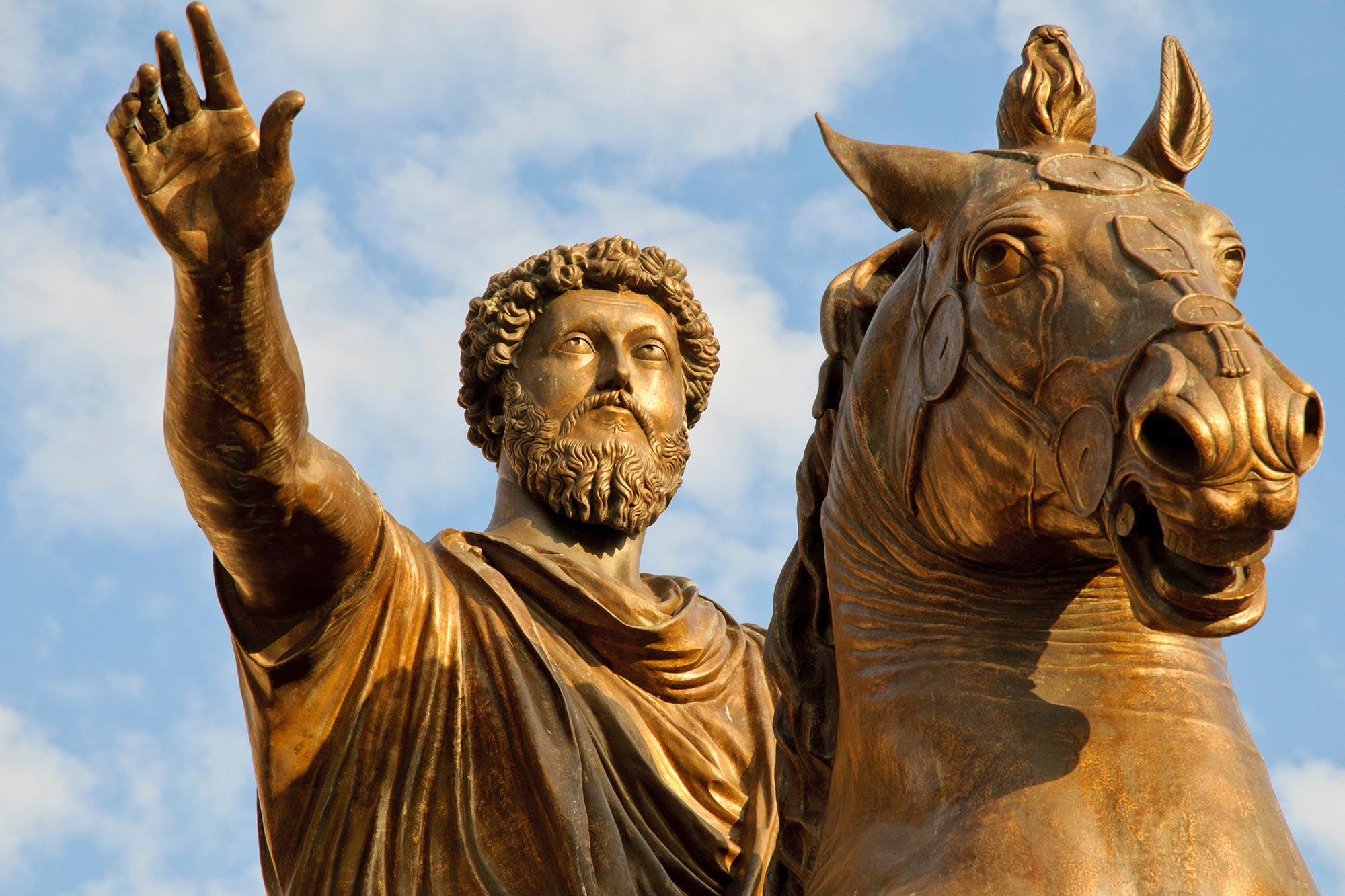
Stoicism, practiced by thinkers like the Roman Emperor Marcus Aurelius, the former slave Epictetus, and the playwright Seneca, is often misunderstood as being emotionally repressive or gloomy. In reality, Stoicism is a practical operating system for life—a philosophy designed not for academics, but for action, resilience, and finding tranquility in an unpredictable world.
The core promise of Stoicism is profound: true happiness and control come from within, not from external events.
This Trusted Time analysis explores the enduring principles of Stoicism. We will dissect the practical tools—such as the Dichotomy of Control, Negative Visualization, and Amor Fati—that you can immediately integrate into your life to manage modern stress, make clearer decisions, and build an unshakeable mind.
Part I: The Core Pillars of Stoic Thought
Stoicism is built on a framework that distinguishes between what we can and cannot influence.
1. The Dichotomy of Control (The Foundational Tool)
This principle, often attributed to Epictetus, is the cornerstone of Stoic practice and the most powerful tool against anxiety.
The Concept: The universe is divided into two spheres: things we have complete control over (our thoughts, judgments, opinions, and actions) and things we have zero control over (other people's opinions, the weather, the economy, past events, and external outcomes).
Application to Stress: Stress and anxiety largely stem from expending energy trying to control the uncontrollable. The Stoic practice is to deliberately and consistently shift focus back to the only things that truly matter: our responses and our character.
Modern Relevance: We often worry about what others think of our blog post (uncontrollable) rather than focusing on writing the best possible content (controllable action).
2. Virtue is the Sole Good
For Stoics, external factors like wealth, health, or reputation are "indifferents." The only thing that truly matters is virtue, which is based on four cardinal qualities:
Wisdom: The ability to make good choices.
Justice: Treating others fairly and acting ethically.
Temperance (Self-Control): Moderation and self-discipline.
Courage: Facing adversity with clarity and integrity.
By prioritizing these virtues in every action, a Stoic believes they are acting according to their nature, thus achieving Eudaimonia (human flourishing or a life well-lived).
Part II: Practical Stoic Tools for Decision Making and Stress Management
Stoicism provides several techniques that act as mental defenses against emotional turbulence.
3. Premeditatio Malorum (Negative Visualization)
This is the deliberate practice of contemplating potential negative scenarios. This is the opposite of modern "positive thinking."
The Practice: Spend a few minutes imagining losing something you cherish (your job, your health, your home).
The Benefit: It achieves two crucial things:
Emotional Resilience: When adversity strikes, you are mentally prepared ("premeditated"), reducing the shock and emotional overreaction.
Gratitude: By realizing that what you have is temporary, you learn to appreciate your current possessions, health, and relationships more deeply.
4. Amor Fati (Love Your Fate)
The Latin phrase Amor Fati means "Love of Fate."
The Concept: Not just accepting what happens to you, but loving it—seeing every event, good or bad, as a necessary thread in the tapestry of your life and an opportunity for virtuous action.
Decision Making: This philosophy encourages you to stop wasting time on regret and instead focus entirely on the lessons learned from the outcome (whether success or failure) and how to apply those lessons moving forward.
5. Memento Mori (Remember You Will Die)
A constant, yet non-morbid, awareness of your own mortality.
The Practice: Keeping the shortness of life in mind.
The Benefit: It serves as the ultimate motivator, forcing you to ask: Am I spending my limited time on what truly matters, or am I wasting it on trivial concerns, grudges, or distractions? It provides clarity for prioritizing tasks and decisions.
Part III: Stoicism and Modern Decision Making
The Stoic framework offers a rational approach to ethical and professional challenges.
6. The Obstacle is the Way
Marcus Aurelius taught that external obstacles are not hindrances to action but fuel for it.
Decision Clarity: When faced with a roadblock (e.g., a competitor launches a superior product), the Stoic doesn't panic. Instead, they frame the obstacle as a test of their virtue and ingenuity. The decision becomes clear: How can I act justly, bravely, and with wisdom to overcome this?
Focus on Process: Focus shifts from the desired outcome (which is external) to the quality of the effort and the process (which is internal).
7. Practical Application for Financial Decisions
Stoic detachment is highly valuable in volatile financial markets.
Controlling Fear and Greed: Financial anxiety is almost entirely due to focusing on the uncontrollable (market movements, geopolitical events). Stoicism reminds you to control your actions: sticking to your investment plan, managing your debt responsibly, and avoiding impulsive, fear-driven sales.
Wealth as an Indifferent: Wealth is seen as a "preferred indifferent"—it's nice to have, but its loss should not destroy your inner peace or prevent you from being a virtuous person.
Conclusion: Building an Inner Citadel
Stoicism is not a relic of ancient history; it is a vital, pragmatic framework for living well in the 21st century.
By internalizing the Dichotomy of Control and consistently asking, "Is this within my control or outside it?" you immediately reduce the scope of your anxiety by about 80%.
The Stoic ideal is to build an Inner Citadel—a fortress of the mind that is impervious to the turbulence of the external world. In an age defined by constant change and psychological strain, this ancient wisdom provides the structure, the tools, and the mental resilience necessary not just to survive, but to truly flourish. Embrace the wisdom of the ancients, and gain an unshakeable mind.
