

The Secret Conversation: Why the Gut-Brain Axis is the Key to Unlocking Your Mood, Cognition, and Mental Resilience
💡 A Human Confession: The 'Gut Feeling' is Real
Think about the last time you were nervous. Did your palms sweat? Probably. But more profoundly, did you feel a knot tightening in your stomach? That familiar rush of nausea before a big speech, or the overwhelming "gut feeling" that guides an important decision? We use the phrase "gut feeling" constantly, yet we rarely pause to consider how deep that biological connection truly runs.
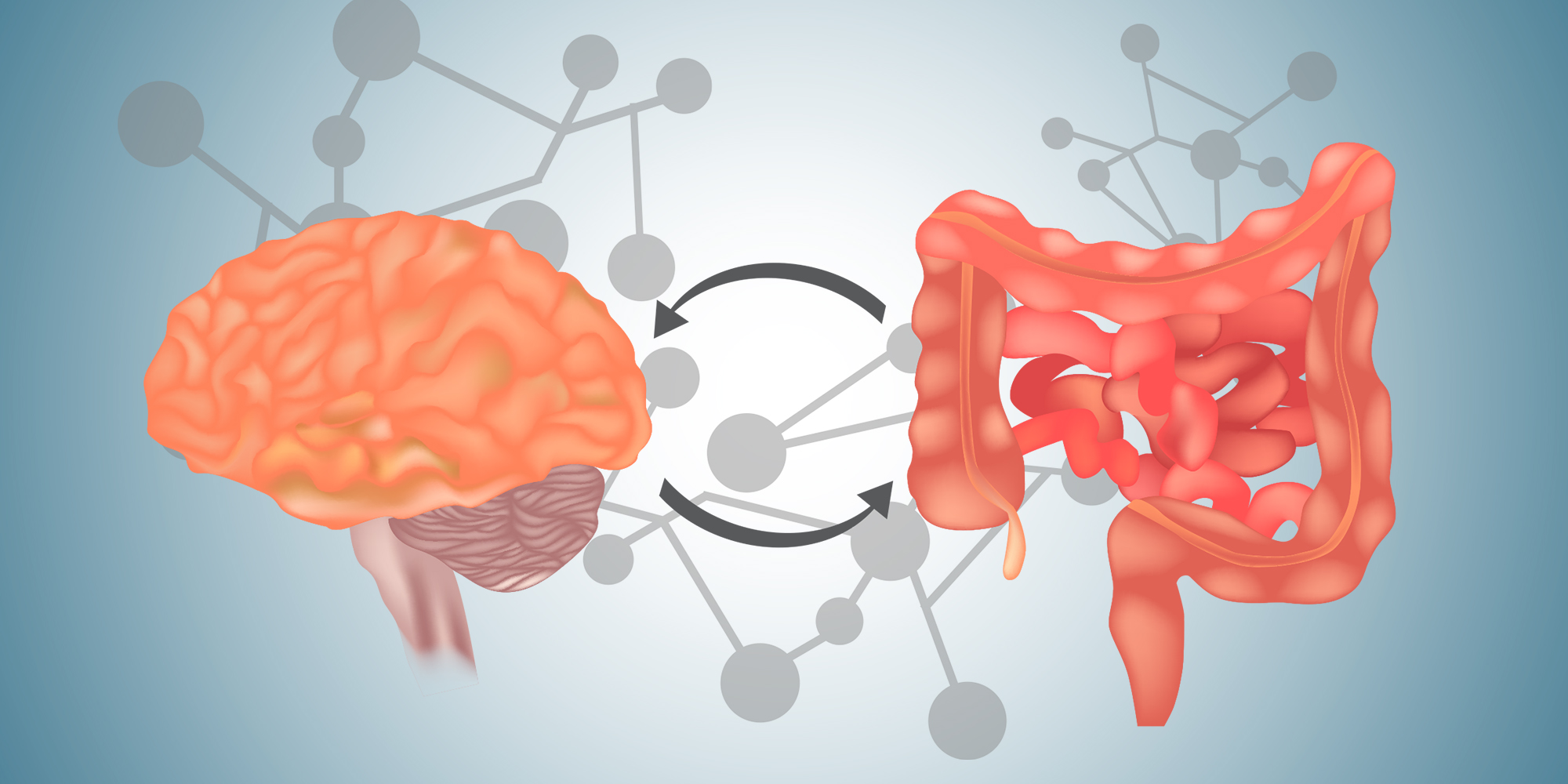
For centuries, science treated the brain as the sole sovereign of our mental life. But new, revolutionary research is proving what ancient medicine long suspected: we have two brains talking to each other. The second brain is the Enteric Nervous System (ENS), nestled in the lining of your gut, and its communication highway to the skull is the Vagus Nerve. This complex, two-way street is known as the Gut-Brain Axis (GBA).
The GBA is not just a metaphor; it's a profound biological reality. It is the place where our diet, our stress levels, and the trillions of microbes living in our intestines (the microbiome) hold an undeniable influence over our anxiety, depression, focus, and overall mood. When this axis is inflamed or dysfunctional, our mental health suffers.
This Trusted Time investigation dives into the science of the GBA, moving beyond simple probiotics. We will explore how specific gut bacteria manufacture our mood chemicals, analyze the role of the inflammatory response, and provide actionable, humane lifestyle strategies—focusing on diet, movement, and mindful eating—to ensure this critical, secret conversation between your two brains is constructive and clear.
Part I: The Communication Highway—Vagus Nerve and Neurotransmitters
The gut-brain axis operates through three primary communication channels, all working in real-time.
1. The Vagus Nerve: The Telegraph Line
The Mechanism: The vagus nerve is the longest cranial nerve, stretching from the brainstem down to the abdomen. It acts as the primary, physical "telegraph line," carrying messages in both directions. Crucially, about 80% of its signals travel from the gut to the brain.
The Impact on Mood: This upward signaling means that the state of your gut (inflammation, irritation, fullness) constantly modulates your brain activity. This is why a simple glass of cold water can sometimes calm anxiety—it's a direct signal to the vagus nerve.
2. The Microbiome as a Chemical Factory
Your gut microbes (microbiome) aren't just digesting food; they are powerful, tiny chemists manufacturing essential compounds that affect your brain.
Serotonin Production: Astonishingly, roughly 90% of the body's serotonin—the neurotransmitter critical for regulating mood, happiness, and sleep—is produced in the gut, largely with the help of gut bacteria.
GABA and Sleep: Certain bacteria produce GABA (Gamma-Aminobutyric Acid), a primary inhibitory neurotransmitter that helps calm the nervous system and promote relaxation. A healthy microbiome contributes directly to reduced anxiety and better sleep quality.
Short-Chain Fatty Acids (SCFAs): Microbes ferment fiber into SCFAs (like butyrate). These SCFAs cross the blood-brain barrier, providing vital energy and protection to brain cells.
3. The Immune System’s Influence (Inflammation)
The gut is home to roughly 70-80% of the body's immune cells, making inflammation the GBA’s most destructive channel.
The Damage: When the gut lining is compromised (often called "leaky gut" or increased permeability), toxins and inflammatory molecules (cytokines) enter the bloodstream.
The Brain’s Response: These inflammatory signals travel to the brain, where they trigger neuroinflammation. Neuroinflammation is strongly linked to symptoms of depression, chronic fatigue, and cognitive fog (difficulty thinking clearly). This highlights a tragic reality: often, depression isn't just a brain problem; it's an immune response originating in the gut.
Part II: Practical Strategies for GBA Optimization
If the food we eat feeds our microbial factory, then improving the conversation between the gut and brain starts on the dinner plate.
4. Diet: The Microbiome's Architect
Your diet is the primary tool for shaping a beneficial microbiome.
Prioritize Fiber and Prebiotics: Non-digestible fibers (found in oats, asparagus, bananas, onions, and garlic) act as prebiotics—the essential food for beneficial gut bacteria. Starving your gut bacteria starves your brain.
The Power of Polyphenols: Compounds like polyphenols (found in dark berries, cocoa, red wine, and green tea) are powerful antioxidants that reduce inflammation and feed specific health-promoting bacteria.
Embrace Fermentation (Probiotics): Regularly consume fermented foods like high-quality yogurt (with live cultures), kefir, sauerkraut, or kimchi. These foods introduce diverse, beneficial bacteria directly into the system (probiotics).
5. Beyond Food: Lifestyle and Movement
Optimizing the GBA requires a holistic approach that targets stress and sleep.
Vagal Toning (Stimulation): Since the Vagus Nerve is key, we can stimulate it to enhance the calming signal it sends to the brain. Simple techniques include singing loudly, gargling vigorously (which activates the muscles connected to the nerve), and exposure to cold water (like splashing cold water on the face or a cold shower finish).
Mindful Eating: When we eat under stress or rushed conditions, the parasympathetic nervous system (rest-and-digest mode) is suppressed, leading to poor digestion and increased inflammation. Slowing down, chewing thoroughly, and being present during meals is a powerful anti-inflammatory practice.
Exercise as an SCFA Booster: Regular physical activity not only reduces stress hormones but has also been shown to positively alter the composition of the gut microbiome, increasing the production of beneficial SCFAs.
Part III: The Future of Psychobiotics and Mental Health
The GBA research is creating entirely new approaches to mental healthcare.
6. Psychobiotics: The New Frontier
Scientists are now classifying certain probiotics as psychobiotics—live organisms that, when ingested, produce mental health benefits.
Targeting Anxiety: Specific strains of bacteria are being studied for their ability to influence the HPA (Hypothalamic-Pituitary-Adrenal) axis, which regulates stress and cortisol. This offers hope for future treatments that target anxiety through the gut, not just the brain.
The Individual Ecosystem: The challenge lies in the fact that everyone’s microbiome is unique. Future personalized medicine will likely involve analyzing an individual’s gut profile and recommending a precise, tailored combination of pre- and psychobiotics.
7. A Humane Perspective on Mental Wellness
The GBA model offers a deeply compassionate way to view mental health struggles.
It’s Not All "In Your Head": It validates the physical component of mood disorders. If you've felt depressed or anxious, it might not be a failure of willpower or character; it could simply be a biological imbalance triggered by inflammation or microbial deficiency.
Empowerment Through Diet: It gives us direct agency over our mental state. Knowing that a simple dietary swap can influence serotonin levels is a powerful, non-pharmaceutical tool for self-care.
Conclusion: Listen to Your Second Brain
The gut-brain axis demands a fundamental revision of how we approach health. The brain is the decision-maker, but the gut is the sensitive, powerful informant.
If you are struggling with mood, focus, or persistent anxiety, the solution may lie not in a complex pharmacological intervention, but in restoring harmony to this critical communication line. By tending to your microbiome with fiber, embracing fermentation, and stimulating your vagus nerve, you are taking the most direct route to fortifying your mental resilience.
Listen to your "gut feeling"—it is the profound, biological wisdom of your second brain speaking directly to your first.
